How to Choose the Right Stairlift: 10 Things to Consider Before Buying
Buying a stairlift is a big decision. It is an investment in safety, independence, and quality of life — and with so many options, models, and features available, it is easy to feel unsure about where to start. The good news is that choosing the right stairlift becomes straightforward once you know what to look for.
Rather than getting lost in technical jargon, the smartest approach is to work through a clear checklist of the things that actually matter. Get these right, and you will end up with a stairlift that fits your home perfectly, suits the user's needs, and gives reliable service for years.
In this guide we walk you through the ten most important things to consider before you buy a stairlift in South Africa. Whether you are buying for yourself or a loved one, these are the questions to ask so you make a confident, well-informed choice.
1. The Shape of Your Staircase
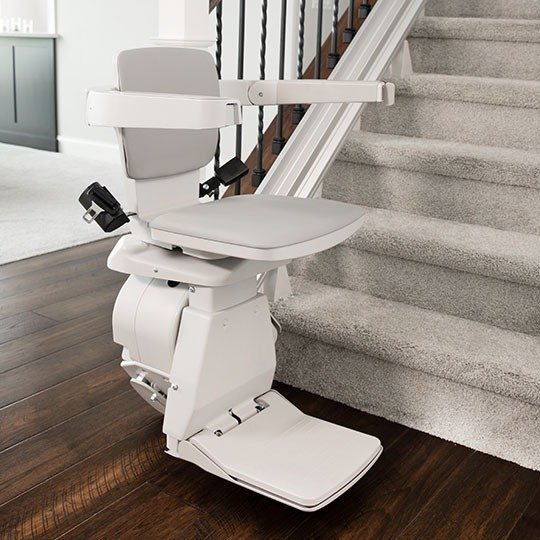
This is the very first thing to establish, because it determines the basic type of lift you need. A single, straight flight of stairs calls for a straight stairlift, which is more affordable and quicker to install. Any staircase with a bend, corner, landing, or spiral needs a curved stairlift with a custom-made rail.
We cover this choice in full in our guide on straight vs curved stairlifts. Establishing this early shapes everything that follows, including the price.
2. Indoor or Outdoor Use
Most stairlifts are for indoor staircases, but if the stairs causing difficulty are outside — front steps, garden access, or a patio — you will need a weatherproof outdoor stairlift built to handle sun, rain, and dust. Outdoor models use corrosion-resistant materials and sealed components. Be clear from the start about where the lift will go, as this affects the model and the price.
3. The User's Physical Needs
The stairlift should fit the person who will use it. Consider their mobility, strength, height, and weight, as well as any specific conditions that affect how they sit, stand, or move. For example:
- Someone with limited leg strength may benefit from a powered swivel seat and a higher seat position that makes standing easier.
- A user who struggles to bend or reach may need a powered footrest and seat folding.
- A heavier user will need a heavy-duty model with a higher weight capacity.
Being honest and specific about the user's needs ensures the lift is genuinely comfortable and safe for them.
4. Weight Capacity
Every stairlift has a maximum weight capacity. Standard models suit most users, but it is essential to choose one rated comfortably above the user's weight for safety and smooth operation. If the user is above the standard range, heavy-duty or bariatric stairlifts are available with higher capacities. Never guess on this — confirm the capacity matches the user.
5. Safety Features
Safety is the whole point of a stairlift, so look closely at the safety features included. The essentials to look for are:
- Seat belt for secure travel
- Safety sensors that stop the lift if an obstacle is on the stairs
- Smooth start and stop to avoid jolts
- Swivel seat that locks in place for safe mounting and dismounting
- Controlled, gentle speed
A good stairlift includes these as standard. We explain them in more depth in our guide on our range of stairlifts and their features.
6. Battery Power and Load-Shedding
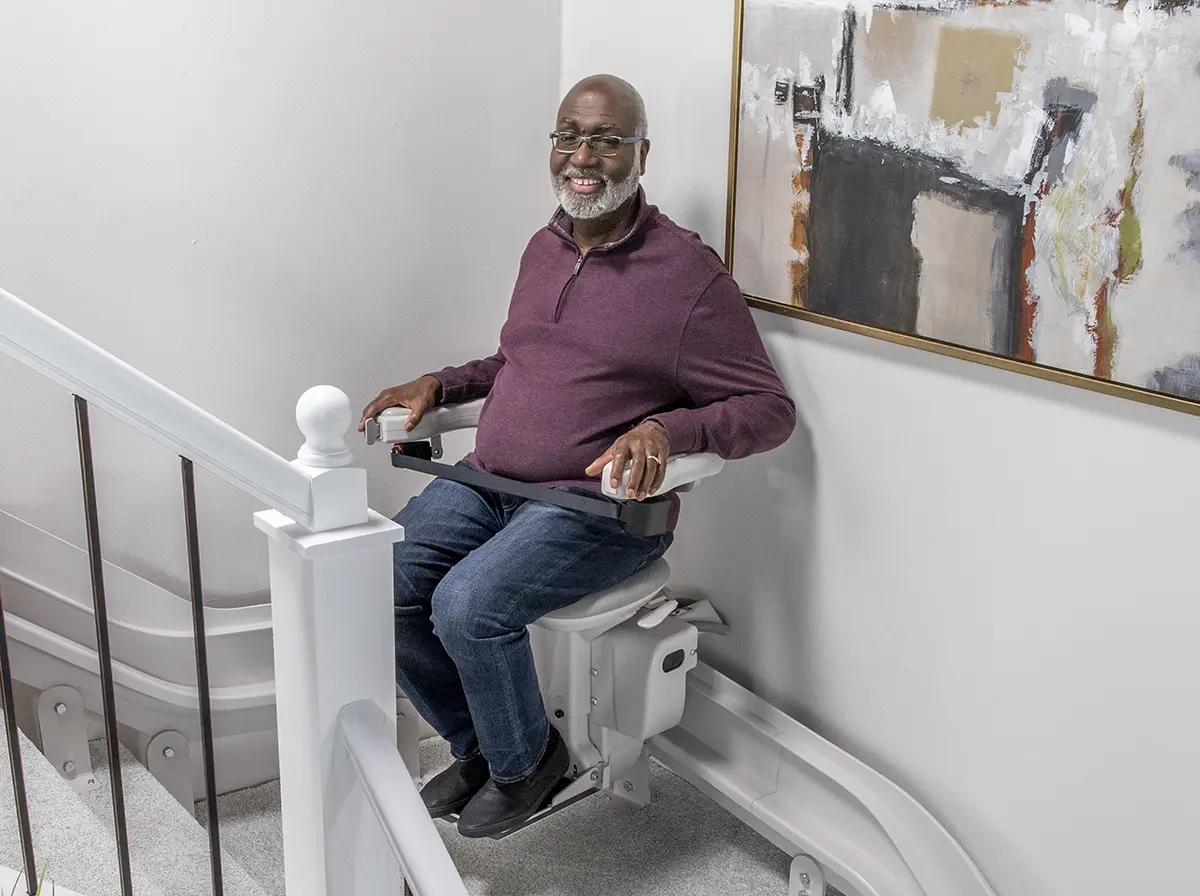
In South Africa, this deserves special attention. A modern stairlift should be battery-powered, which means it keeps working during load-shedding and power cuts. A lift that only runs off the mains would stop the moment the power went out — potentially leaving the user stranded. Battery power, with automatic charging when the lift is parked, is the reliable standard. We cover this fully in our guide on battery-powered stairlift chairs.
7. Comfort and Ease of Use
The user will rely on this lift every day, so comfort matters. Look for a supportive, well-padded seat, comfortable armrests, and a footrest at the right height. Just as important are the controls: they should be simple and intuitive, with large, clearly marked buttons or an easy toggle that someone with reduced dexterity or eyesight can operate confidently. A remote control to "call" the lift to either end of the stairs is a useful added convenience.
8. Space and Folding Design
A stairlift should not make the staircase unusable for everyone else. Quality stairlifts have a folding seat, armrests, and footrest that tuck away neatly when the lift is not in use, keeping the stairs clear for other family members. Consider the width of your staircase too — a good installer will recommend a model that fits comfortably and leaves as much walking space as possible.
9. Budget: New, Reconditioned, and What's Included
Your budget naturally plays a role. Straight stairlifts are the most affordable; curved lifts cost more due to the custom rail. If budget is tight and you have a straight staircase, a professionally reconditioned (second-hand) stairlift can offer excellent value with a fresh warranty.
When comparing prices, always check what is included. A complete quote should cover the unit, the rail, professional installation, a demonstration, and a warranty. For a full breakdown of what affects price, read our guide on how much a stairlift costs in South Africa.
10. The Supplier, Warranty, and Aftercare
Finally — and this is just as important as the lift itself — consider who you are buying from. A stairlift is a long-term investment, so you want a supplier who provides:
- A proper site assessment rather than a one-size-fits-all quote
- Professional installation by trained technicians
- A clear warranty on the unit and the work
- Reliable aftercare and servicing so the lift keeps running safely for years
- Honest, no-pressure advice
Reading customer testimonials and learning about the company are good ways to gauge whether a supplier is trustworthy and experienced.
Putting It All Together
Choosing the right stairlift might feel daunting at first, but it comes down to working through these ten considerations one at a time. Start with your staircase shape and whether it is indoor or outdoor, then match the lift to the user's needs and weight, prioritise safety and battery reliability, check comfort and folding design, weigh up your budget, and finally choose a trustworthy supplier with good aftercare.
The single most valuable step in this whole process is a professional site assessment. An expert can look at your staircase, understand the user's needs, and recommend exactly the right solution — taking the guesswork out of the decision entirely.
Frequently Asked Questions
What is the most important factor when choosing a stairlift?
The shape of your staircase comes first, as it determines whether you need a straight or curved lift. After that, matching the lift to the user's physical needs and weight is the priority.
How do I know what weight capacity I need?
Choose a model rated comfortably above the user's weight. If the user is above the standard range, heavy-duty models with higher capacities are available. Your supplier will confirm the right rating.
Is a reconditioned stairlift a good idea?
For straight staircases, a professionally reconditioned stairlift can offer great value with a fresh warranty. For curved staircases the savings are smaller because the rail is still custom-made.
How do I choose a good supplier?
Look for one that offers a proper site assessment, professional installation, a clear warranty, and reliable aftercare. Testimonials and an established track record are good indicators.
Can I get advice before deciding?
Yes. A free, no-obligation assessment and quote is the best way to get expert advice tailored to your home and the user, with no pressure to commit.
Final Thoughts
The right stairlift is the one that fits your staircase, suits the person using it, keeps them safe, and comes from a supplier you can trust for the long term. Work through these ten considerations and you will be well equipped to make a confident decision — and to ask the right questions when you speak to a supplier.
If you would like expert help applying this checklist to your own home, we are happy to assist. A free assessment takes the guesswork out and points you to exactly the right solution.
Get expert help choosing the right stairlift
Book a free, no-obligation assessment and quote. We will match the right stairlift to your staircase and the user's needs — with honest advice and no pressure.
Get a Free QuoteYou can also browse our full range of stairlifts or contact our friendly team for guidance on choosing the best option for your home.
Stair Lift Chair is a South African supplier and installer of straight, curved, outdoor, and battery-powered stairlifts. Learn more about us.