Battery-Powered Stairlift Chairs: How They Work & Why They're Reliable
If you have been looking into stairlifts, you may have come across the term "battery-powered" and wondered what it means — and whether a stairlift that runs on batteries can really be trusted to carry someone safely up and down the stairs, day in and day out. It is a reasonable question, and an important one.
Here is the reassuring answer: almost all modern stairlifts are battery-powered, and far from being a compromise, this is exactly what makes them so reliable. Battery power is now the standard precisely because it is safer, smoother, and — crucially in South Africa — able to keep working during load-shedding when mains power fails.
In this guide we explain how battery-powered stairlift chairs work, why they are so dependable, how long the batteries last, what happens during a power cut, and how to care for the battery so your lift keeps running for years. By the end you will understand why battery power is a genuine advantage, not a concern.
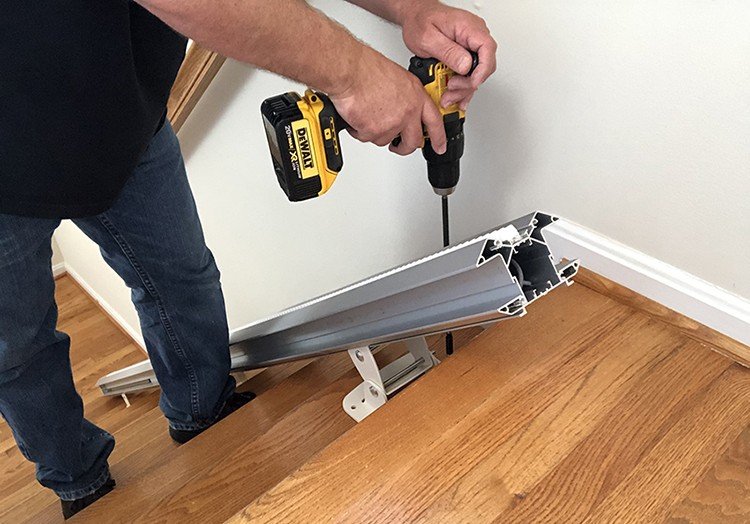
How Does a Battery-Powered Stairlift Work?
The idea is simpler than it sounds. A battery-powered stairlift carries its own rechargeable batteries on board, which drive the motor that moves the chair along the rail. The lift runs entirely off these batteries — it does not draw power directly from the mains while it is moving.
So where does the charge come from? The rail has charging points, usually at the top and bottom (and sometimes along the way). When the chair is parked at one of these points, it automatically recharges from a normal household plug socket. In everyday use, the lift sits on its charger between trips, topping up the battery so it is always ready to go.
This is often described as a "trickle charge" system: small, steady charging whenever the lift is parked, keeping the battery full without overcharging it. The result is a lift that is always charged and ready, with no effort required from the user beyond parking it at the charge point.
Why Battery Power Makes Stairlifts More Reliable
It might seem counterintuitive that running on batteries is more reliable than running off the mains. But there are very good reasons battery power has become the industry standard.
It keeps working during power cuts
This is the big one, especially in South Africa. Because the lift runs off its battery rather than the mains, it keeps working during load-shedding and unexpected power failures. A mains-only lift would simply stop the moment the power went out — potentially leaving someone stranded mid-flight or stuck on the wrong floor. A battery-powered lift carries on as normal, giving you complete peace of mind regardless of the grid.
Smooth, consistent performance
Battery power delivers a steady, even supply to the motor, which means a smoother, gentler ride. There are no surges or dips from the mains supply affecting the journey. For an older or frail user, that smooth start and stop makes the experience comfortable and safe.
Safer, low-voltage operation
The lift itself operates on low-voltage battery power rather than mains voltage. This is inherently safer, and it is one reason stairlifts do not require major electrical work or rewiring to install.
Simple installation
Because the lift only needs access to a standard plug socket for charging, installation is straightforward. There is no need for special wiring or an electrician to rewire your home.
What Happens During Load-Shedding or a Power Cut?
This is the question we are asked most often, so let us be completely clear: your stairlift keeps working during load-shedding.
Because the lift runs off its onboard battery, a power cut does not stop it. The battery holds enough charge for many trips up and down the stairs — far more than anyone would normally make in a single load-shedding window. When the power returns, the lift simply resumes charging as usual the next time it is parked at a charge point.
In the rare event of a very prolonged outage, the only consideration is making sure the battery gets a chance to recharge once power is back. Under normal load-shedding schedules, this is never an issue — the lift recharges quickly between sessions and stays ready.
How Long Do Stairlift Batteries Last?
There are two timeframes worth understanding here: how long a charge lasts, and how long the batteries themselves last before needing replacement.
On a single charge
A fully charged stairlift battery provides many journeys — typically far more than a person would make in a day. Because the lift charges every time it is parked, in normal use the battery rarely drops far from full. You would only test its limits during an extended period with no mains power at all.
Battery lifespan
The rechargeable batteries themselves generally last a few years before they need replacing, depending on use and care. Replacing them is a simple, inexpensive routine maintenance job — much like replacing a car battery — and is usually done as part of regular servicing. A well-maintained stairlift will give many years of dependable service, with the occasional battery replacement along the way.
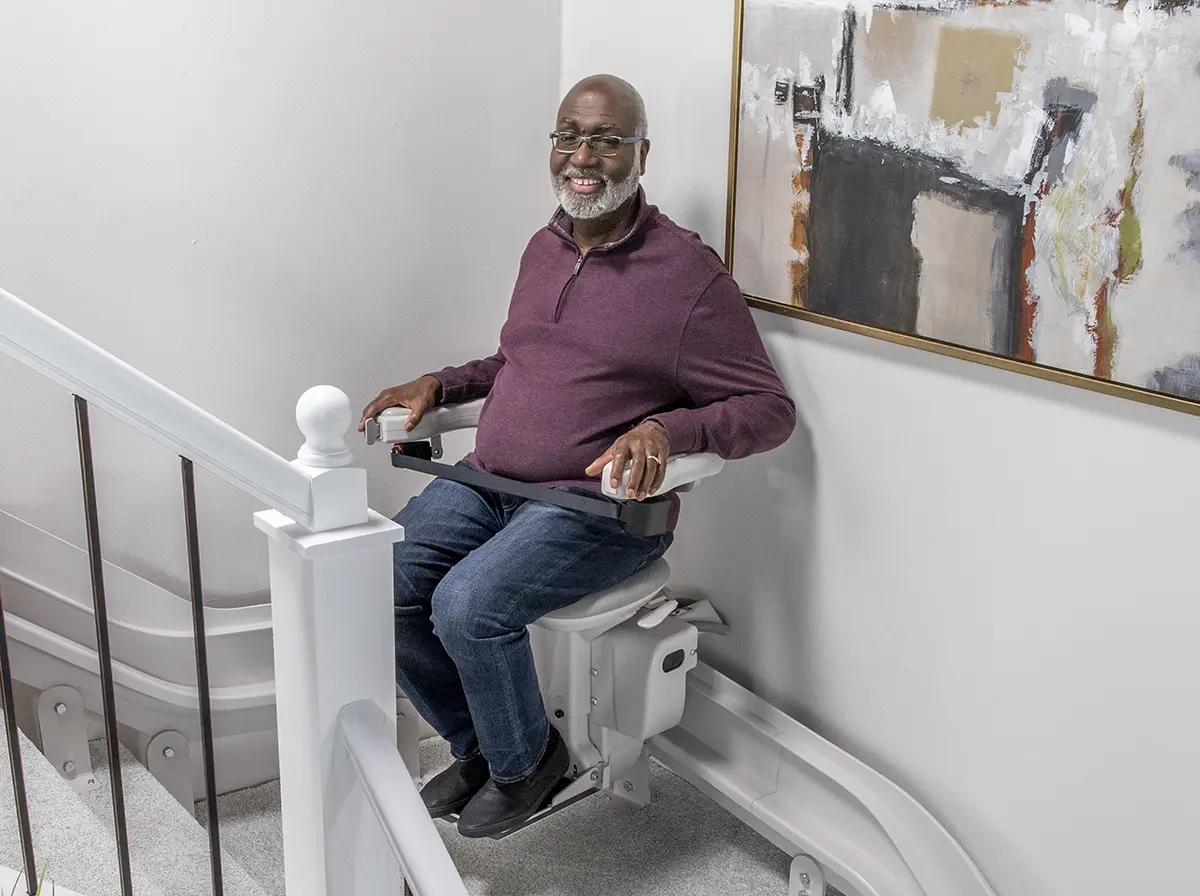
Caring for Your Stairlift Battery
Looking after the battery is easy, and doing so keeps your lift reliable and extends the battery's life. A few simple habits make all the difference:
- Always park the lift at a charging point. When the lift is not in use, leave it parked at the top or bottom charge point so it keeps charging. This is the single most important habit.
- Do not switch it off at the wall. Leaving the charger connected lets the trickle-charge system keep the battery topped up. Switching it off means the battery slowly drains and may not be ready when needed.
- Use it regularly. Batteries stay healthiest with regular use. If the lift will be unused for a long period, ask your supplier about the best way to maintain the battery.
- Listen for warnings. Most lifts beep or show a light if the battery is low or not charging properly. If you notice this, check that it is parked correctly and the charger is on.
- Keep up with servicing. Regular servicing includes checking the battery's health and replacing it when needed, before it ever lets you down.
Are Battery-Powered Stairlifts Safe?
Yes — very. Battery power is actually one of the features that makes modern stairlifts so safe. The low-voltage operation reduces electrical risk, the steady power gives a smooth and controlled ride, and the battery backup means the lift never simply cuts out mid-journey due to a power failure.
On top of the battery system, modern stairlifts include a full set of safety features: seat belts, safety sensors that stop the lift if there is an obstruction, smooth start and stop, swivel seats for safe dismounting, and gentle, controlled speeds. Together, these make a battery-powered stairlift a safe and trustworthy way to travel the stairs. You can read more about what families experience on our testimonials page.
Are All Stairlifts Battery-Powered?
The vast majority of modern stairlifts — whether straight, curved, indoor, or outdoor — are battery-powered, because the benefits are so clear. When you look at our range of stairlifts, you will find battery operation is standard across the board.
This means that whichever type of stairlift suits your home, you get the reliability and load-shedding resilience that battery power provides. It is not an upgrade you have to pay extra for — it is simply how modern stairlifts work.
Frequently Asked Questions
Does a battery-powered stairlift work during load-shedding?
Yes. The lift runs off its onboard rechargeable battery, so it continues to work normally during load-shedding and power cuts. It recharges automatically once power returns and the lift is parked at its charge point.
How often do I need to charge it?
You do not need to actively charge it at all. The lift charges automatically whenever it is parked at a charging point. Just leave the charger switched on and park the lift when not in use.
How long do the batteries last before replacement?
The rechargeable batteries typically last a few years, depending on use and care. Replacing them is a simple, low-cost maintenance task, usually handled during servicing.
Will the battery run flat if I do not use the lift for a while?
As long as it stays parked at the charging point with the charger on, it will remain topped up. If you plan to leave it unused for a long time, ask your supplier about the best way to preserve the battery.
Does battery power mean the lift is slower or weaker?
No. Battery power provides smooth, consistent performance and is more than capable of carrying users safely and comfortably. Heavy-duty models are available for higher weight requirements.
Final Thoughts
Battery power is one of the best things about modern stairlifts. Rather than being a limitation, it is the very feature that makes them so reliable: smooth to ride, simple to install, safe in operation, and — most importantly for South African homes — completely unaffected by load-shedding. Your lift keeps working when the power does not.
With a little simple care — mainly just leaving it parked on charge — a battery-powered stairlift will give years of dependable, worry-free service. It is a technology you can genuinely trust to keep a loved one moving safely between floors, day or night, power or no power.
Reliable, load-shedding-proof stairlifts
Every stairlift we supply is battery-powered, so it keeps working through any power cut. Get a free, no-obligation quote tailored to your home.
Get a Free QuoteYou can also browse our full range of stairlifts or contact our friendly team with any questions about battery power, reliability, or installation.
Stair Lift Chair is a South African supplier and installer of straight, curved, outdoor, and battery-powered stairlifts. Learn more about us.